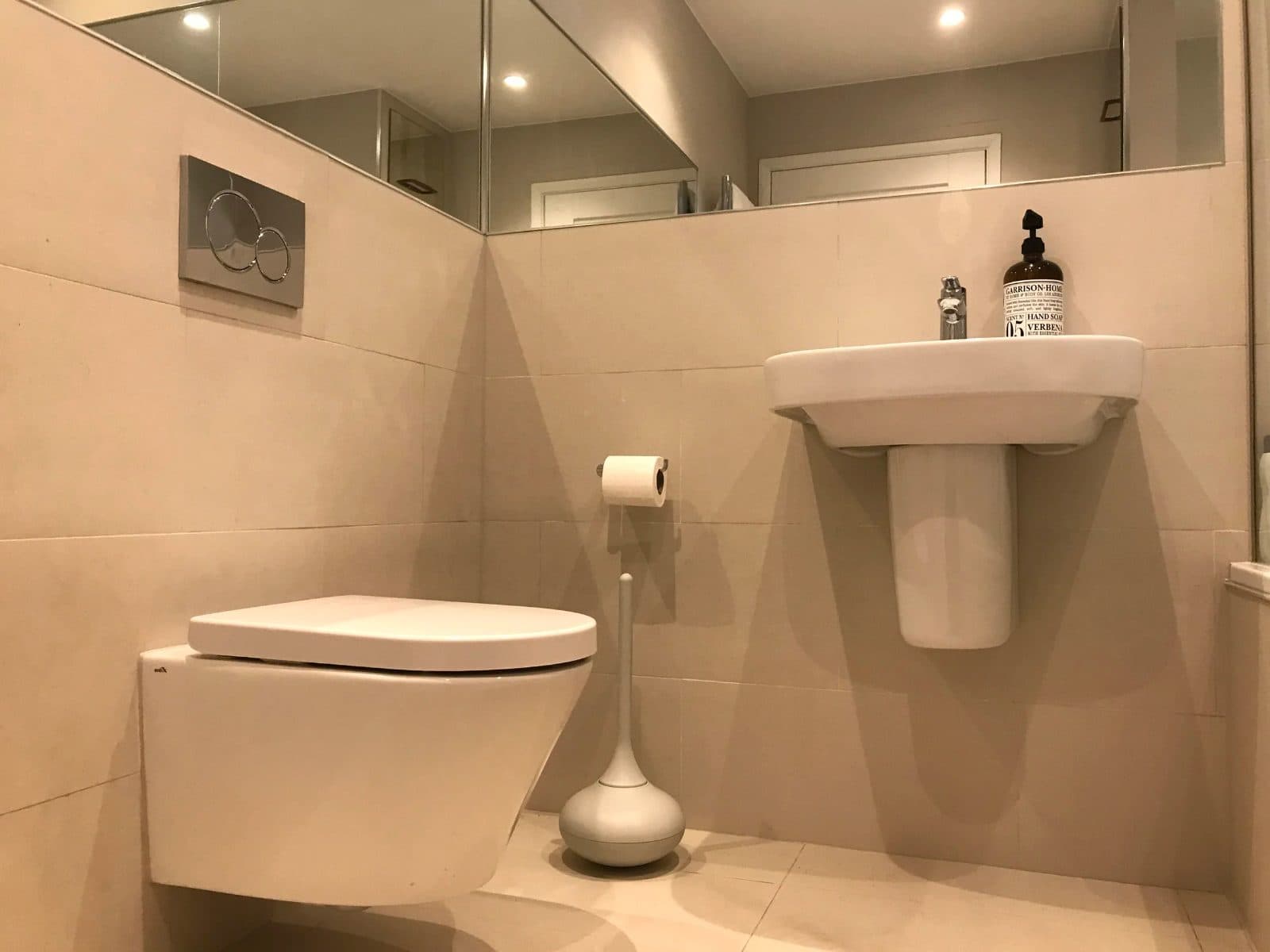
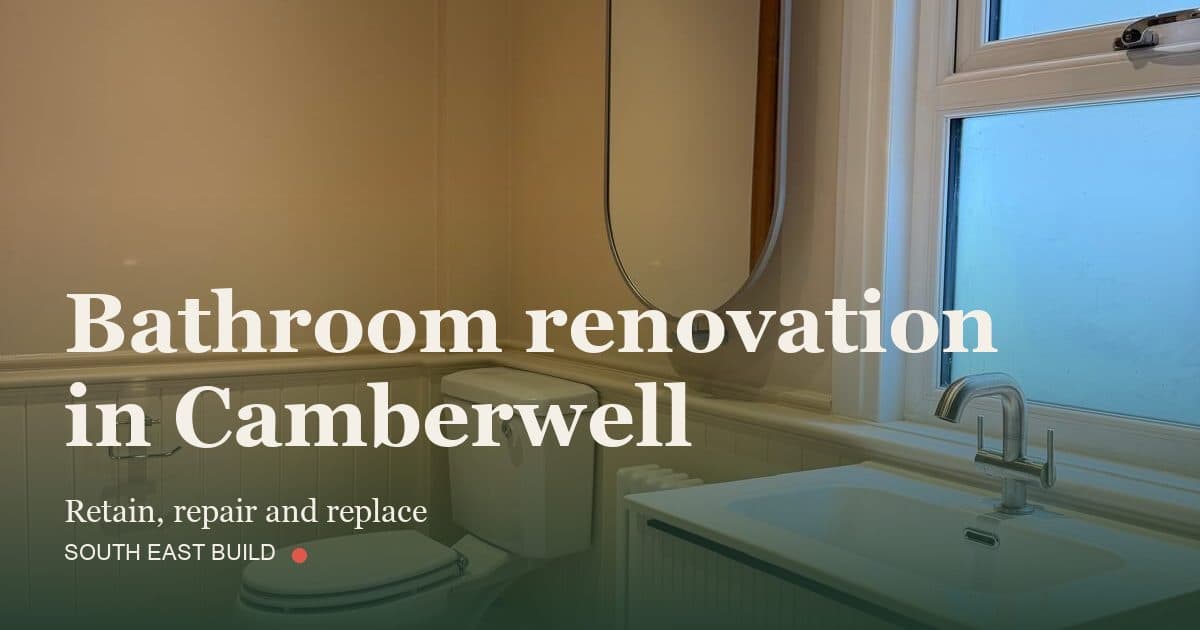
Retain, repair or replace · Camberwell
Bathroom renovation in Camberwell
Design-led: we plan the room before we price the work, so the drawing and the build match.
Build-led: our own builders, plumbers and electricians on site, one team from strip-out to finish.
A worn room does not always need everything replaced.Our bathroom renovation in Camberwell starts with its condition, then the changes you want to make.
SE1 · SE5 · SE11 · SE17 · Southwark
Assess the existing room
Bathroom renovation in Camberwell: where to start
For a period bathroom, distinguish worn finishes from failing pipework or damp behind the lining.
List features to retain and protect.
A new wall finish should follow the repair plan rather than conceal an unresolved defect.
Bring photographs of problem areas as well as ideas for the finished room.Leaks and damaged surfaces belong in the first brief.
Compare a partial refresh with a full refit.List the repairs and service changes under each option.
Make it buildable
Repairs and replacement in Camberwell
Agree the investigation and repair scope before closing walls or tiling.
Confirm which fittings are being reused and who checks their condition.
Keep any unexpected repairs separate from the original refit brief.
The sequence should resolve hidden defects before new fittings, surfaces and decoration go in.
The local check
What changes from one property to another
Southwark's householder guidance is the one to read before you draw anything.
Permitted development does not apply to flats or maisonettes at all, so any external change needs a full application.
A large single-storey rear extension can go ahead under permitted development, with Prior Approval.
That means the council writes to your neighbours first.
In a conservation area, or under an Article 4 direction, those permitted development rights are cut back again.
Much of this area is a conservation area, which removes permitted development rights that apply elsewhere.
Windows, doors, roofs and front gardens come into the application.
Each conservation area has its own appraisal of the materials the council considers appropriate.
They differ, so the answer on one street is not the answer on the next.
We check the actual address and the proposed work before saying what consent is needed.
Check the rules for your address
These are the local authority and estate sources relevant to Camberwell.
Before work begins
Build a clear refurbishment brief
Keep the visible replacement separate from the repairs that make the room usable for the long term.
- Record existing leaks, damp and damaged finishes.Agree what needs investigation before selecting replacements.
- List what stays and who checks its condition.Retained appliances and fittings still need to suit the new arrangement.
- Identify changes to walls, service routes and outside openings.Check the proposed scope against the property and tenure.
- Agree the work sequence, temporary facilities and delivery access.Plan when the room will be out of use.
- Keep a written record of discoveries after strip-out.Discuss changes to scope before additional repairs proceed.
From our work
A closer look at our work
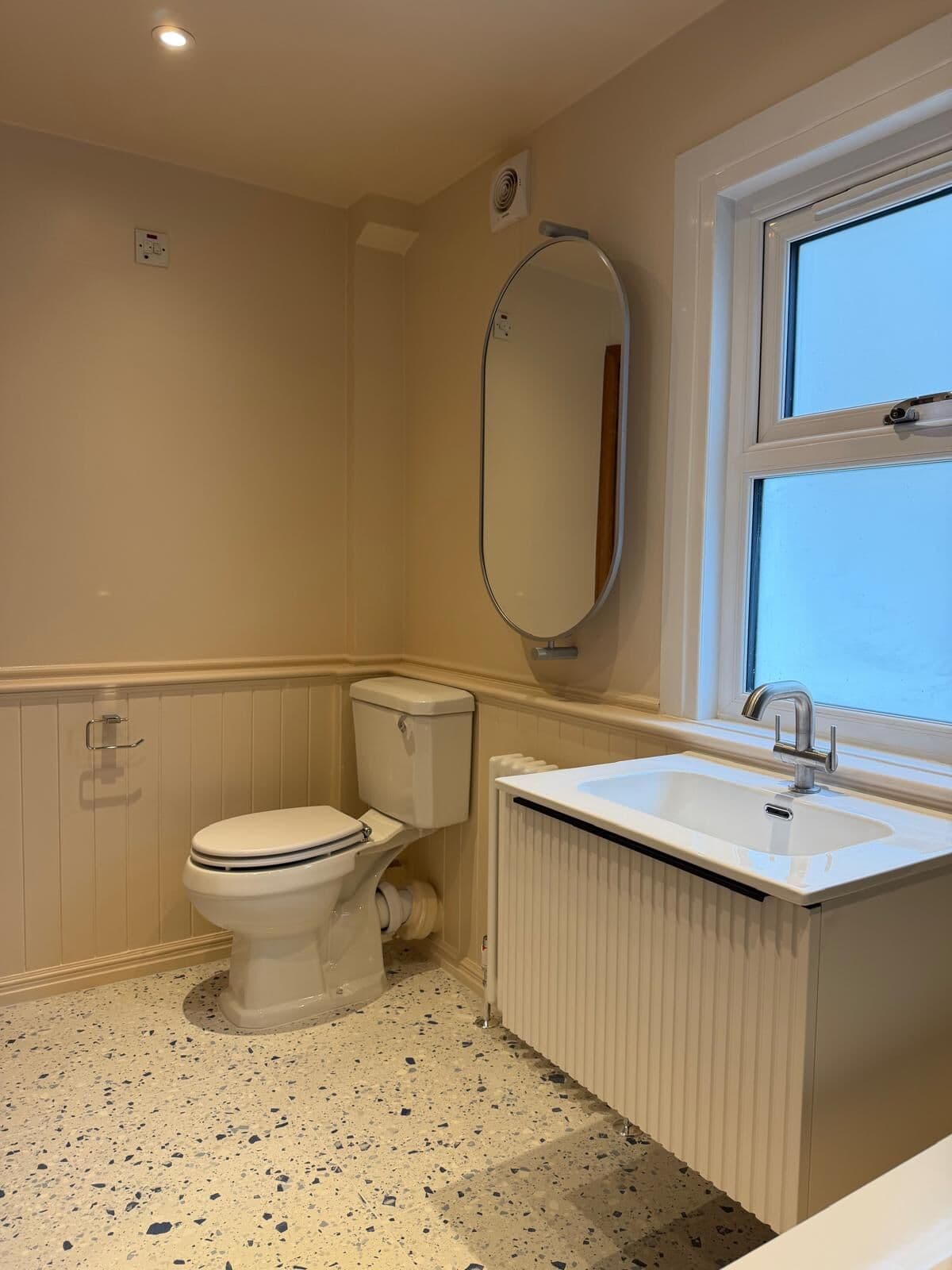
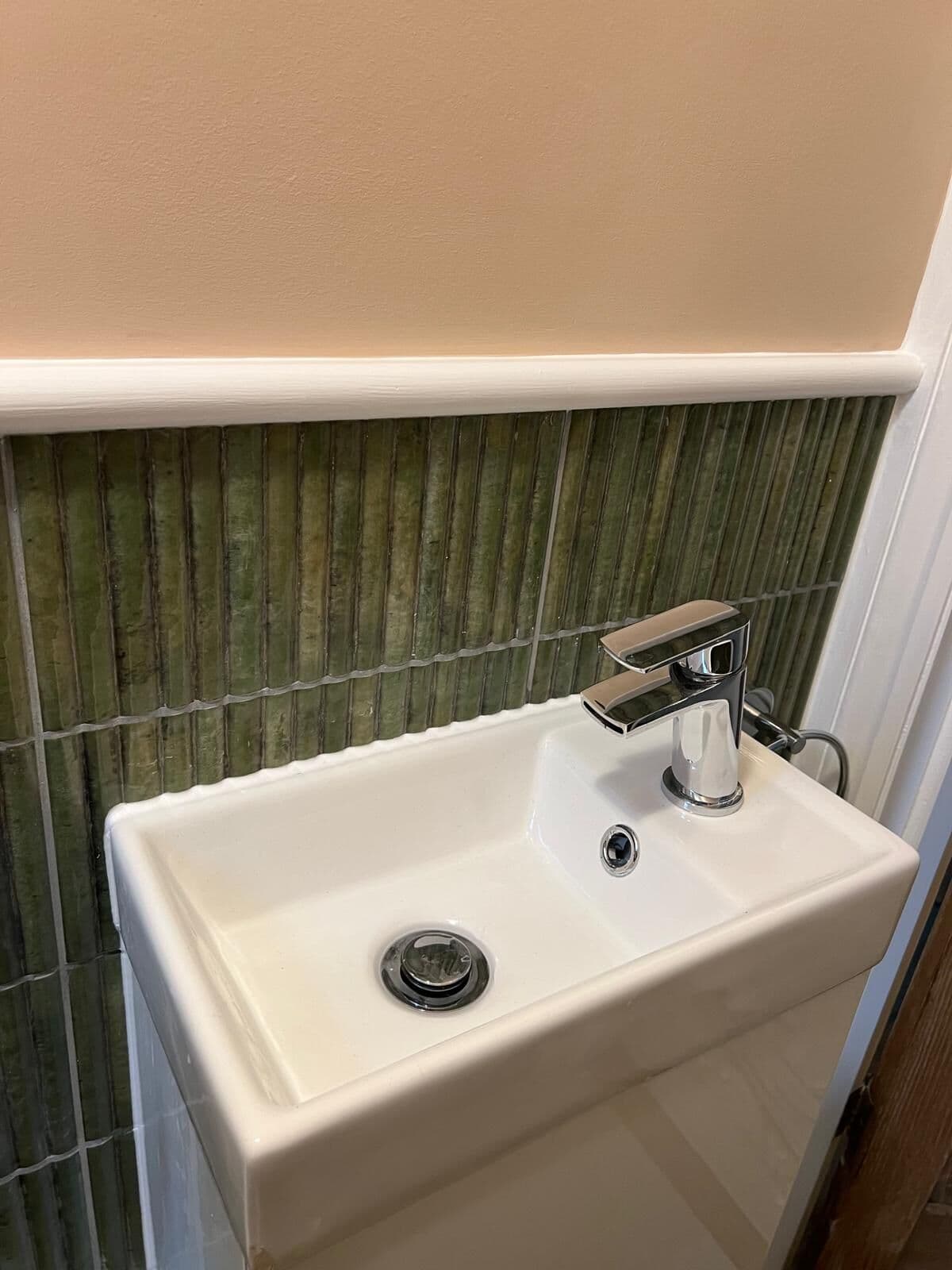
Finished details from our own work.Discuss which materials, storage and finishes would suit your refit.
Talk it through
Start with a call, then a site visit if it helps.
Tell us the postcode, the room's condition and what you want to keep or change.Start with a call about the scope.
Keep exploring
Related work nearby
Further reading
The regulations: the official guidance
- Planning Portal: Kitchens and bathrooms: when Building Regulations approval is needed
A straightforward refit does not generally need approval, but drainage or electrical work may.A new kitchen or bathroom in another room is likely to need it.
- Planning Portal: Bathrooms: checking an existing floor structure
A new bathroom can add a significant load to a timber floor; the structure may need assessment and strengthening.
- GOV.UK: Electrical safety: Approved Document P
The Building Regulations guidance on electrical safety in homes, including special locations such as bathrooms.
- GOV.UK: Ventilation: Approved Document F
The Building Regulations guidance on ventilation, including extraction from kitchens and bathrooms.
- GOV.UK: Sanitation, hot water safety and water efficiency: Approved Document G
The Building Regulations guidance on sanitaryware, hot water safety and water efficiency.
- Historic England: A guide for owners of listed buildings
Making changes to a listed home, with sections on kitchens, bathrooms, extensions and windows.