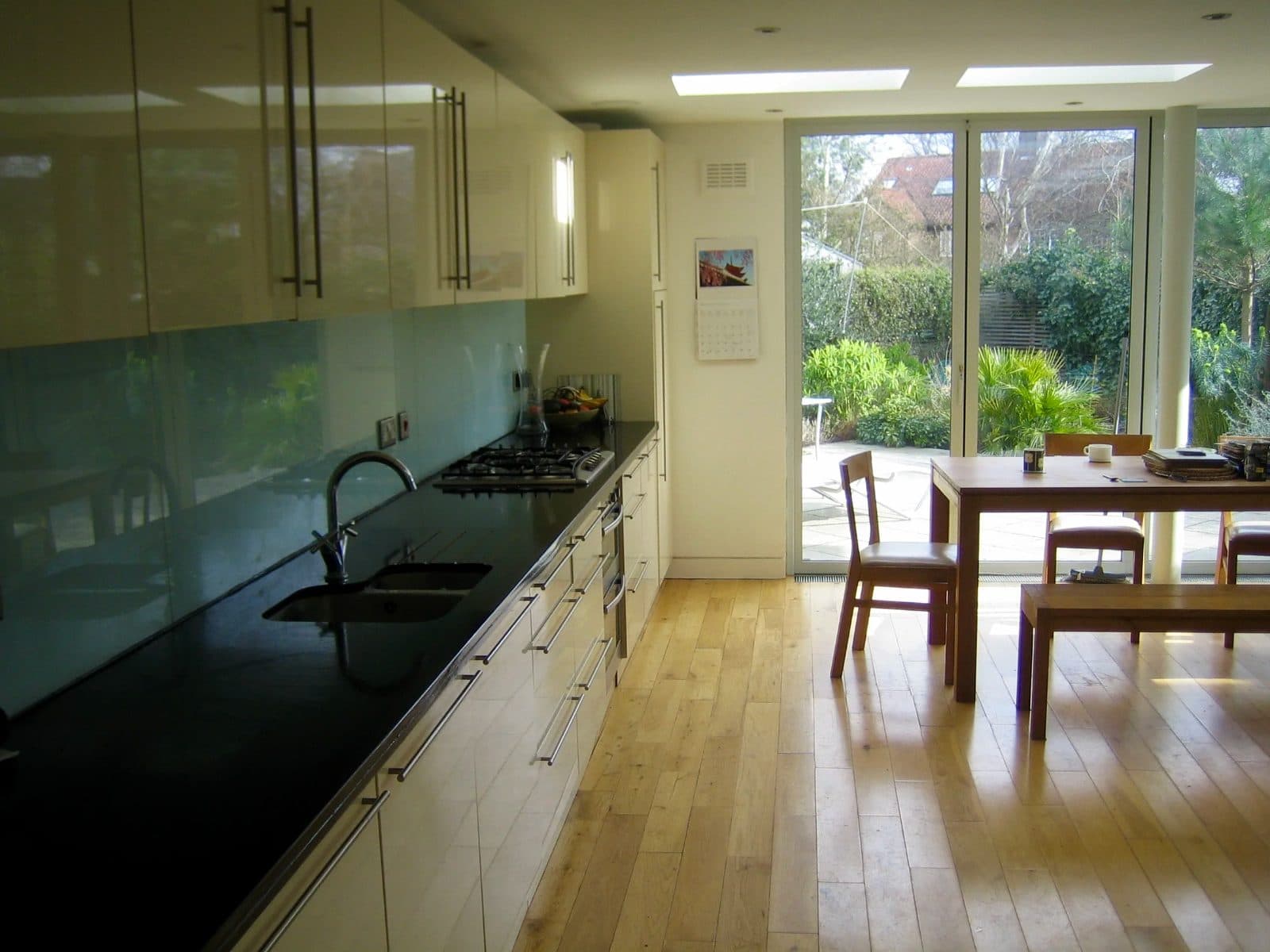
Extensions · Peckham
Kitchen extensions in Peckham
Design-led: we plan the room before we price the work, so the drawing and the build match.
Build-led: our own builders, plumbers and electricians on site, one team from strip-out to finish.
We design and build extensions, from a side return to a full-width rear addition, and fit the kitchen inside them.Good kitchen extensions in Peckham start with the house, the address and the way you cook.
SE5 · SE15 · SE16 · SE22 · Southwark
Start with the kitchen
Kitchen extensions in Peckham: where to start
Many Peckham houses have been split into flats, so a kitchen extension is often a ground-floor flat project rather than a whole house.
Then the extension has to serve one household's kitchen, living space and garden at once.
Draw the kitchen and the route to the garden together before choosing the glazing.
We draw the kitchen layout and the new structure together.The steel, drainage and glazing are placed for the room you will use.
Sometimes a refit or an internal opening does the job without extending at all, and we will say so.
Make it buildable
House extensions and side returns in Peckham
A ground-floor flat has no permitted development rights.
A kitchen extension to a flat always needs a planning application, and usually the freeholder's consent.
On a house, the prior approval route allows a deeper single-storey rear extension once the neighbours have been consulted.
On a terrace, party wall notices are almost always part of the job.
One team handles the structure, the services, the kitchen and the finish, so nothing is left between two contractors.
The local check
What changes from one property to another
Southwark's householder guidance is the one to read before you draw anything.
Permitted development does not apply to flats or maisonettes at all, so any external change needs a full application.
A large single-storey rear extension can go ahead under permitted development, with Prior Approval.
That means the council writes to your neighbours first.
In a conservation area, or under an Article 4 direction, those permitted development rights are cut back again.
We check the actual address and the proposed work before saying what consent is needed.
Check the rules for your address
These are the local authority and estate sources relevant to Peckham.
The national rules
Permitted development, in plain terms
These apply across England.Conservation areas, Article 4 directions and estate covenants can tighten them, which is why the address comes first.
- A house, not a flat or maisonette, can usually add a single-storey rear extension without a planning application.The limit is 3m deep, or 4m if detached.
- The larger home extension route allows up to 6m, or 8m if detached, once the council has consulted the neighbours.It is not available in a conservation area.
- In a conservation area, an extension beyond the side wall of the house needs planning permission.That usually includes a side return.
- Every extension needs Building Regulations approval, whatever the planning route.
- Building on the boundary, working on a shared wall or digging near a neighbour's house needs notice.That is under the Party Wall etc. Act 1996.
From our work
A closer look at our work
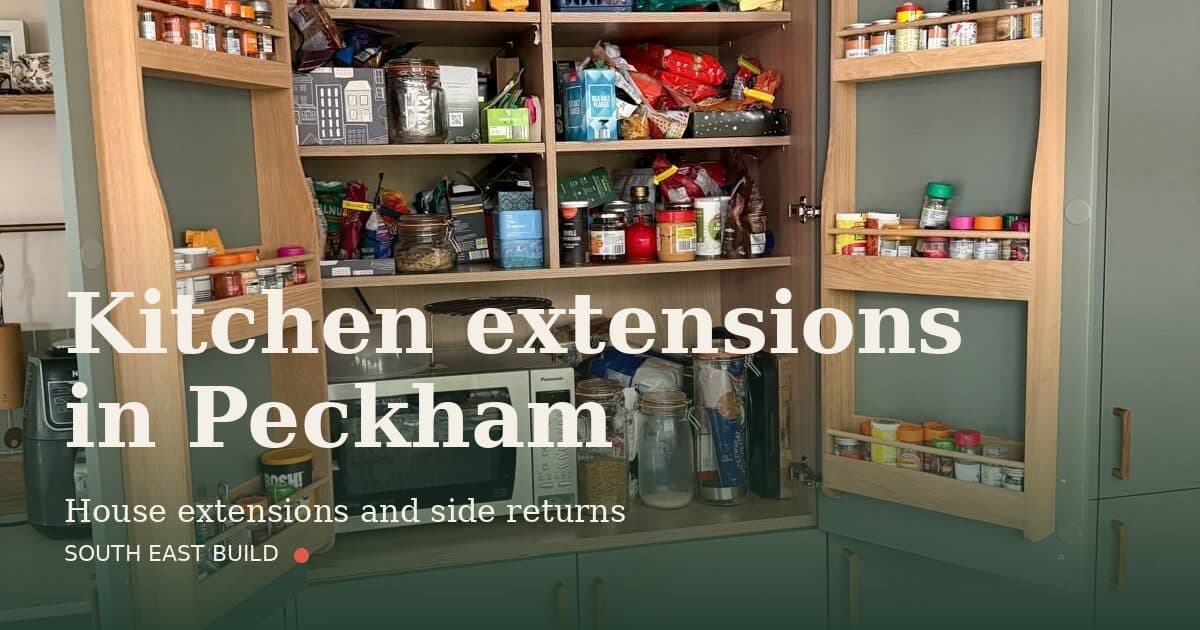
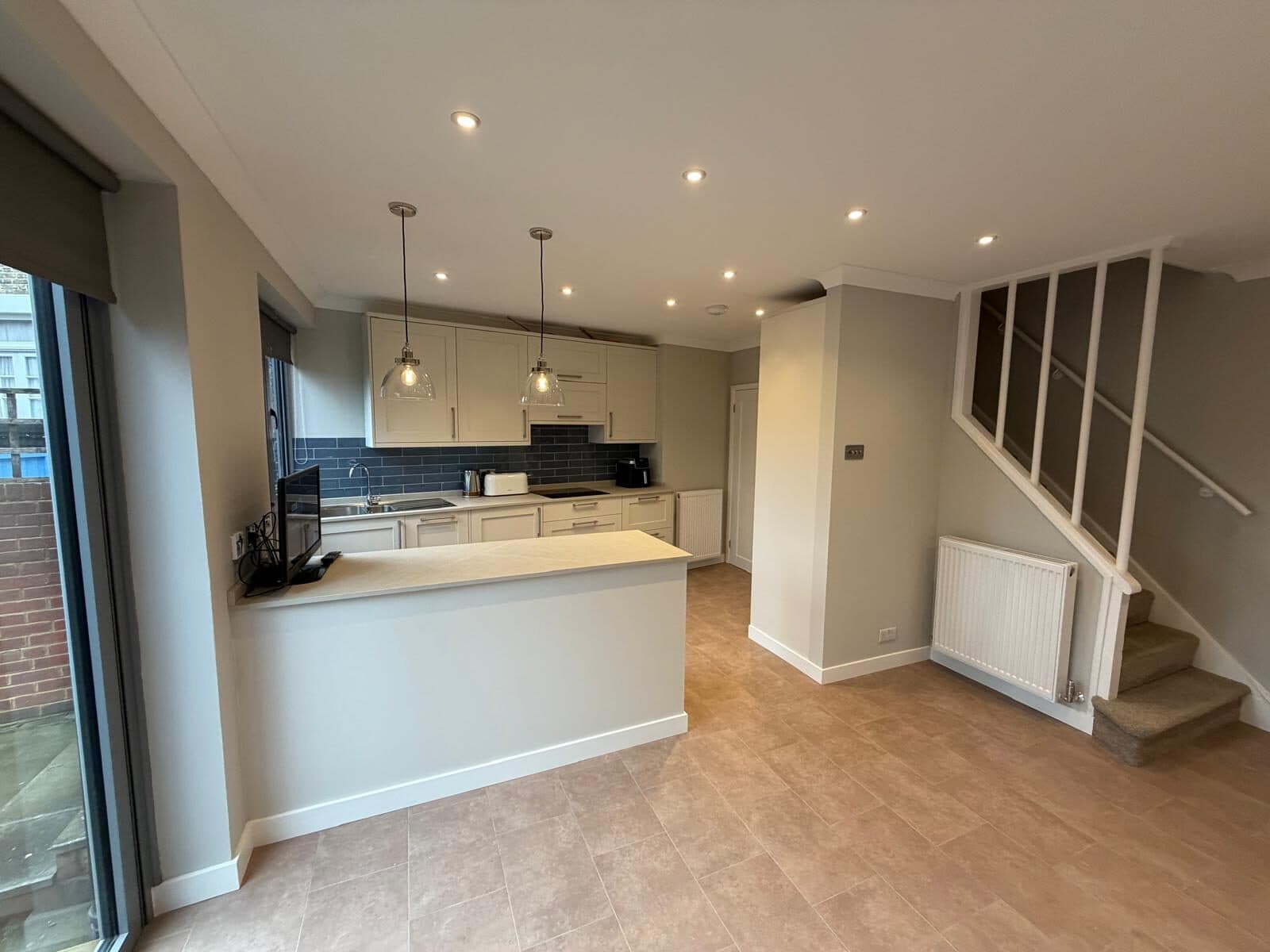
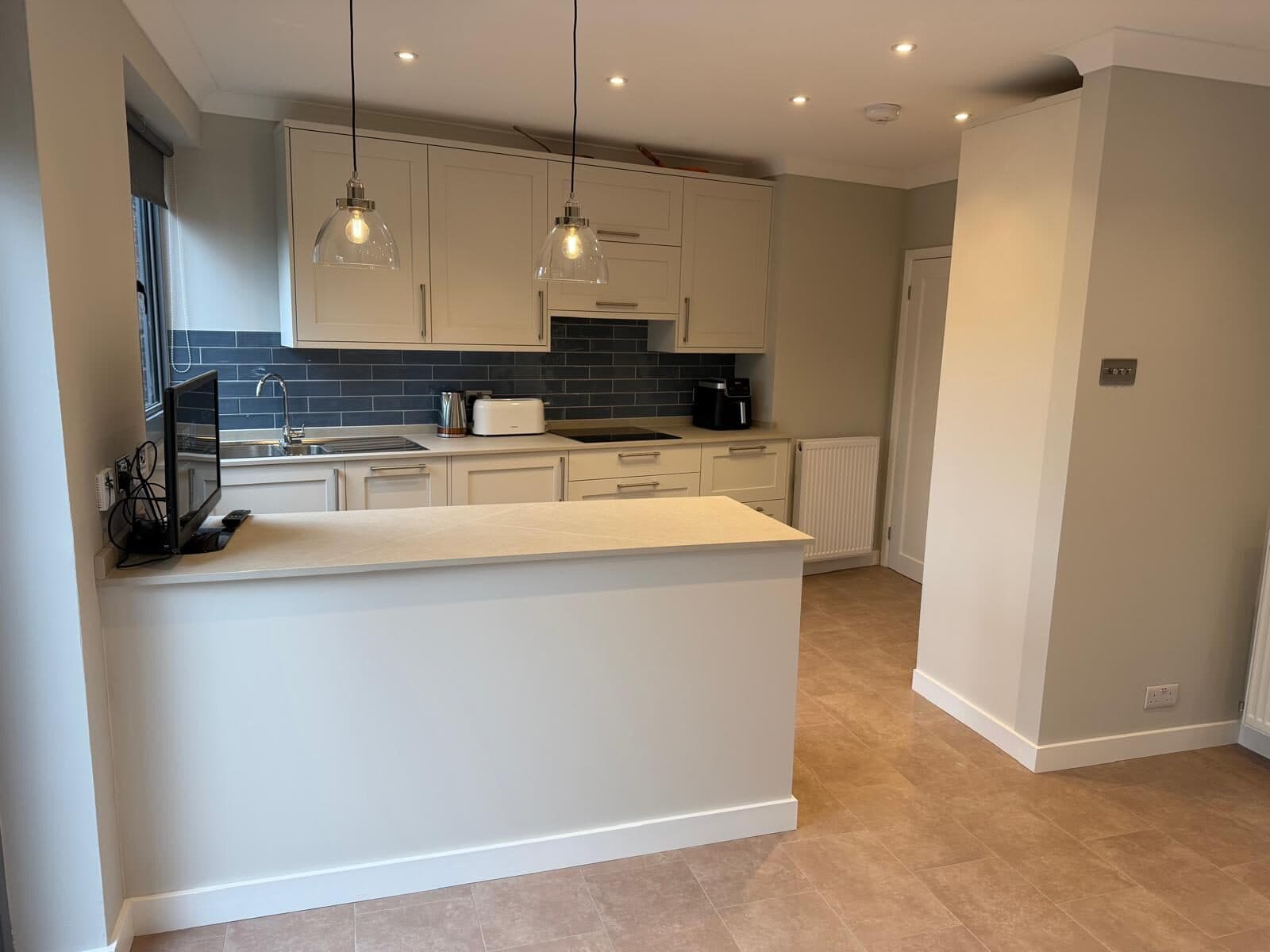
Finished kitchens from our work across South East London.Ask us which details could work in your own home.
Talk it through
Start with a call, then a site visit if it helps.
Tell us the postcode, the house as it is and what the room needs to do.The calculator gives a free provisional bracket; anything firmer comes from a call and a site visit.
Keep exploring
Related work nearby
Further reading
The regulations: the official guidance
- Planning Portal: Extensions
When a rear or side extension can go ahead under permitted development, and when it needs permission.
- GOV.UK: Permitted development rights for householders: technical guidance
The government's detailed guide to what you can build without a planning application.
- GOV.UK: The Party Wall etc Act 1996: explanatory booklet
Notices to neighbours for work on a shared wall, at the boundary, or excavating near their foundations.
- Historic England: Practical advice for home improvements in older houses
What to check before altering a period house, including listed status and conservation areas.